
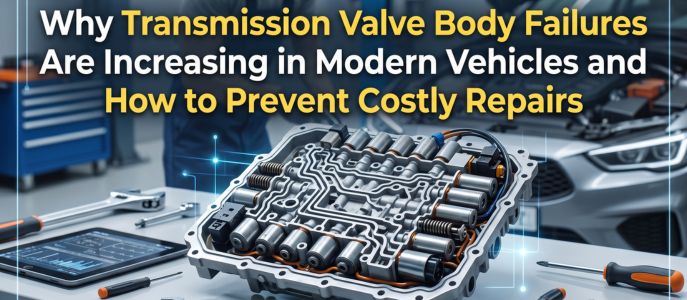
Why Transmission Valve Body Failures Are Increasing in Modern Vehicles and How to Prevent Costly Repairs
Modern vehicles are more advanced than ever, featuring sophisticated automatic transmissions designed to improve fuel efficiency, driving comfort, and overall performance. However, as transmission technology becomes increasingly complex, certain components are experiencing higher failure rates. One of the most commonly reported transmission problems in 2026 involves the valve body.
The transmission valve body acts as the control center of an automatic transmission, directing hydraulic fluid to various components responsible for gear changes. When the valve body begins to fail, drivers may experience shifting issues, reduced performance, warning lights, and expensive repair bills.
As repair costs continue rising, many vehicle owners are exploring alternatives such as used transmissions and quality transmissions for sale to restore vehicle performance without exceeding their budgets. Understanding why valve body failures are becoming more common can help drivers prevent costly transmission damage and extend the life of their vehicles.
What Is a Transmission Valve Body?
The valve body is a complex hydraulic control assembly located inside an automatic transmission.
Its primary function is to regulate transmission fluid flow and direct hydraulic pressure to:
- Clutches
- Bands
- Solenoids
- Gear sets
By controlling fluid movement, the valve body enables smooth and precise gear changes.
Modern valve bodies work alongside electronic transmission control modules to optimize shifting based on driving conditions and vehicle performance demands.
Why Valve Body Failures Are Increasing
Several industry trends are contributing to the growing number of valve body failures.
Increased Transmission Complexity
Modern automatic transmissions now feature:
- 8-speed transmissions
- 9-speed transmissions
- 10-speed transmissions
- Continuously Variable Transmissions (CVTs)
These advanced systems contain more components and require highly precise hydraulic control.
The increased complexity creates more potential failure points within the valve body.
Greater Electronic Integration
Today’s transmissions rely heavily on:
- Electronic solenoids
- Sensors
- Transmission control modules
- Adaptive learning systems
When electronic components malfunction, the valve body may no longer regulate fluid pressure correctly, leading to shifting problems and accelerated wear.
Higher Operating Temperatures
Modern vehicles are designed for efficiency, often operating at higher temperatures than older models.
Excessive heat can:
- Degrade transmission fluid
- Damage seals
- Accelerate valve body wear
- Affect solenoid performance
Heat remains one of the leading causes of transmission-related failures.
Common Symptoms of Valve Body Failure
Early diagnosis can prevent major transmission damage.
Common warning signs include:
- Hard Shifting: Drivers may notice abrupt or harsh gear changes.
- Delayed Gear Engagement: The vehicle may hesitate before moving into gear.
- Gear Slipping: The transmission may unexpectedly change gears or lose power.
- Check Engine Light: Electronic faults often trigger warning indicators.
- Transmission Overheating: Poor fluid regulation can increase transmission temperatures.
- Unusual Noises: Whining, clunking, or buzzing sounds may indicate internal hydraulic issues.
Ignoring these symptoms can lead to more extensive repairs.
How Contaminated Fluid Damages Valve Bodies
Transmission fluid plays a critical role in valve body operation.
Over time, fluid can become contaminated with:
- Metal particles
- Clutch material
- Dirt
- Debris
Contaminated fluid may clog internal passages and restrict hydraulic flow. This causes increased wear and can eventually lead to valve body failure. Regular fluid maintenance remains one of the best preventative measures.
The Impact of Stop-and-Go Driving
Urban driving conditions place additional stress on transmissions.
Frequent:
- Acceleration
- Braking
- Gear changes
increase valve body activity and hydraulic demand.
Vehicles used primarily in city traffic often experience faster transmission wear compared to those driven mostly on highways.
Why Repair Costs Continue Rising
Valve body repairs have become increasingly expensive due to:
- Advanced transmission technology
- Specialized diagnostic equipment
- Labor-intensive repairs
- Higher parts costs
In many cases, replacing a failed valve body can cost thousands of dollars.
If damage spreads to other transmission components, complete transmission replacement may become necessary.
How Used Transmissions Help Reduce Costs
When severe transmission damage occurs, many drivers consider used transmissions as an alternative to purchasing a factory-new unit.
Benefits include:
- Lower replacement costs
- OEM compatibility
- Faster availability
- Reduced vehicle downtime
Quality used transmissions can provide reliable performance while significantly reducing repair expenses.
Finding Reliable Transmissions for Sale
When searching for transmissions for sale, buyers should focus on suppliers that provide:
- Verified mileage
- Warranty coverage
- Inspection reports
- Compatibility verification
- Vehicle history documentation
A reputable supplier can help ensure the replacement transmission meets performance expectations.
Preventive Maintenance Tips
While some failures are unavoidable, proper maintenance can dramatically reduce the risk of valve body problems.
- Change Transmission Fluid Regularly: Fresh fluid helps maintain hydraulic performance and reduces contamination.
- Use Manufacturer-Approved Fluid: Incorrect fluid types can affect pressure regulation and shifting performance.
- Avoid Excessive Heat: High temperatures accelerate wear throughout the transmission.
- Address Warning Signs Early: Prompt diagnosis often prevents minor issues from becoming major repairs.
- Follow Recommended Service Intervals: Routine inspections help identify potential problems before significant damage occurs.
The Role of Modern Diagnostics
Advanced diagnostic tools have improved the ability to detect valve body issues.
Technicians can now monitor:
- Solenoid performance
- Hydraulic pressure
- Shift timing
- Electronic communication faults
Early detection reduces repair costs and improves long-term reliability.
Why Fleet Operators Pay Close Attention
Commercial fleets closely monitor transmission health because downtime directly affects profitability.
Preventive maintenance programs help fleet managers:
- Reduce repair expenses
- Improve vehicle reliability
- Extend transmission lifespan
- Avoid unexpected breakdowns
These practices are increasingly being adopted by individual vehicle owners as well.
Future Transmission Trends
The automotive industry continues investing in smarter transmission systems.
Emerging technologies include:
- AI-driven diagnostics
- Predictive maintenance systems
- Enhanced transmission cooling
- Improved fluid monitoring
- Advanced electronic controls
These innovations aim to reduce failures and improve transmission longevity.
When Replacement Makes More Sense Than Repair
In some situations, repairing a damaged valve body may not be the most economical option.
Replacement may be preferable when:
- Multiple transmission components are worn
- Internal damage is extensive
- Repair costs approach replacement costs
- A quality used transmission is readily available
Evaluating all options helps vehicle owners make informed financial decisions.
Final Thoughts
Transmission valve body failures are becoming increasingly common as modern vehicles adopt more advanced and electronically controlled transmission systems. Rising operating temperatures, fluid contamination, increased complexity, and heavy traffic conditions all contribute to growing failure rates.
Fortunately, proper maintenance, regular fluid changes, and early diagnosis can significantly reduce the risk of costly repairs. For vehicles requiring major transmission work, used transmissions and reliable transmissions for sale offer cost-effective alternatives that help restore performance while controlling repair expenses.
As transmission technology continues evolving in 2026, proactive maintenance remains the most effective strategy for extending transmission life and avoiding unexpected breakdowns.