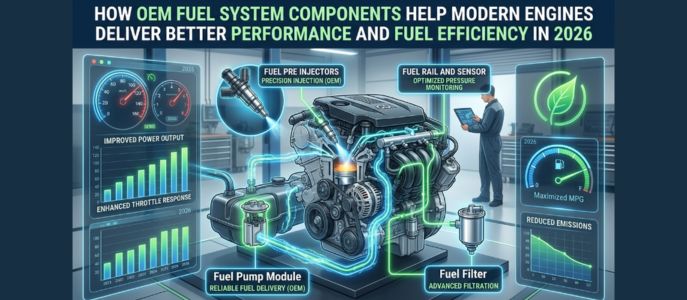
How OEM Fuel System Components Help Modern Engines Deliver Better Performance and Fuel Efficiency in 2026
Modern vehicles depend on precisely engineered OEM fuel system components to deliver the correct amount of fuel at the right pressure and time. These components improve combustion efficiency, increase engine performance, reduce emissions, and maximize fuel economy. When an engine requires replacement, choosing quality used engines for sale or professionally inspected used engines can help maintain OEM performance while keeping repair costs under control.
Table of Contents
- Understanding the modern fuel system
- Why OEM fuel system components matter
- Key components that affect engine performance
- How fuel systems improve fuel economy
- Signs of fuel system problems
- Choosing quality replacement engines
- FAQs
Understanding Modern Fuel Systems
Vehicle fuel systems have evolved significantly over the past decade. Today’s engines rely on electronically controlled fuel delivery systems that continuously adjust fuel flow based on driving conditions.
Modern fuel systems work together with the engine control module (ECM) to monitor:
- Air-to-fuel ratio
- Fuel pressure
- Engine load
- Throttle position
- Oxygen sensor readings
- Engine temperature
By constantly analyzing these inputs, the system delivers precise amounts of fuel for optimal combustion.
Why OEM Fuel System Components Matter
OEM (Original Equipment Manufacturer) components are engineered specifically for each vehicle model. Every injector, fuel pump, pressure regulator, and sensor is designed to operate within exact manufacturer specifications.
Using properly matched OEM components provides several advantages:
- Consistent engine performance
- Better fuel efficiency
- Reduced emissions
- Improved reliability
- Longer component life
Because these parts are built to factory standards, they help maintain the performance characteristics originally intended by the vehicle manufacturer.
Fuel Injectors Play a Critical Role
Fuel injectors are responsible for delivering a fine spray of fuel into the combustion chamber.
A properly functioning injector provides:
- Accurate fuel metering
- Improved combustion
- Smooth engine operation
- Faster throttle response
- Lower fuel consumption
When injectors become clogged or worn, engines may experience rough idling, poor acceleration, and increased fuel usage.
High-Pressure Fuel Pumps Improve Efficiency
Many modern gasoline and diesel engines use high-pressure fuel pumps to supply fuel directly to the engine.
These pumps help achieve:
- More complete combustion
- Better engine power
- Reduced emissions
- Improved fuel economy
Maintaining proper fuel pressure is essential for efficient engine performance.
Advanced Sensors Optimize Fuel Delivery
Modern engines depend on numerous sensors that continuously adjust fuel delivery.
Important sensors include:
- Mass airflow sensor
- Oxygen sensors
- Fuel pressure sensor
- Intake air temperature sensor
- Throttle position sensor
These components communicate with the engine control module to optimize fuel injection under changing driving conditions.
Better Fuel Economy Through Precision
Accurate fuel delivery means the engine burns only the amount of fuel required for each driving situation.
Benefits include:
- Lower fuel consumption
- Reduced carbon emissions
- Improved highway mileage
- Better city driving efficiency
- Enhanced engine responsiveness
Even small improvements in fuel system efficiency can produce noticeable long-term savings.
Common Fuel System Problems
Over time, normal wear can reduce fuel system performance.
Drivers may notice:
- Difficulty starting the engine
- Rough idle
- Hesitation during acceleration
- Reduced fuel economy
- Engine misfires
- Loss of power
Ignoring these symptoms may lead to more extensive engine damage.
Preventive Maintenance Matters
Routine maintenance helps keep the fuel system operating efficiently.
Recommended practices include:
- Replacing fuel filters
- Using quality fuel
- Cleaning fuel injectors when necessary
- Following manufacturer service schedules
- Addressing warning lights promptly
Preventive maintenance often extends engine life while maintaining optimal fuel efficiency.
When Engine Replacement Becomes Necessary
Severe engine damage caused by overheating, internal wear, or prolonged fuel system issues may eventually require engine replacement.
Many vehicle owners choose used engines for sale because they offer an economical alternative to purchasing a brand-new engine.
When sourced from reputable suppliers, quality replacement engines can restore reliable vehicle performance while significantly reducing repair costs.
Why Quality Used Engines Are a Smart Choice
Carefully inspected used engines provide several advantages.
These include:
- Lower purchase costs
- OEM factory engineering
- Proven compatibility
- Faster vehicle repairs
- Environmentally responsible recycling
Many suppliers perform inspections and testing before offering engines for resale, helping buyers make confident purchasing decisions.
Fuel Efficiency Supports Lower Ownership Costs
Improving fuel economy benefits more than just the environment. Efficient engines help reduce:
- Fuel expenses
- Emissions
- Engine wear
- Maintenance costs
- Overall operating expenses
Combining a healthy fuel system with proper maintenance allows vehicles to perform efficiently throughout their service life.
Future Fuel System Innovations
Automotive technology continues advancing rapidly.
Future developments include:
- AI-assisted fuel management
- Smarter engine control systems
- Improved direct injection technology
- Predictive maintenance diagnostics
- Enhanced emissions control
These innovations will further improve engine efficiency while supporting stricter environmental regulations.
Final Thoughts
OEM fuel system components play a vital role in helping modern engines achieve better performance, improved fuel efficiency, and lower emissions. Precision-engineered injectors, fuel pumps, sensors, and electronic controls work together to deliver optimal combustion under every driving condition.
When engine damage becomes too extensive for economical repair, choosing reliable used engines for sale provides a cost-effective replacement option without sacrificing factory-engineered performance. Investing in carefully inspected used engines, combined with regular fuel system maintenance, helps drivers extend vehicle life, reduce operating costs, and enjoy dependable performance well into the future.
FAQs
Why are OEM fuel system components important?
OEM components are engineered to factory specifications, helping maintain proper fuel delivery, engine performance, fuel economy, and long-term reliability.
What are common signs of fuel system problems?
Common symptoms include poor fuel economy, rough idling, engine hesitation, reduced power, difficult starting, and engine misfires.
Are used engines for sale reliable?
Yes. Professionally inspected used engines for sale from reputable suppliers can provide dependable performance while reducing replacement costs.
Why choose used engines instead of rebuilding?
Quality used engines often offer faster installation, lower costs, OEM compatibility, and reliable performance compared to extensive engine rebuilds.
How can I improve my vehicle’s fuel efficiency?
Regular maintenance, timely fuel filter replacement, quality fuel, proper tire inflation, and keeping the fuel system in good condition all contribute to improved fuel economy.