
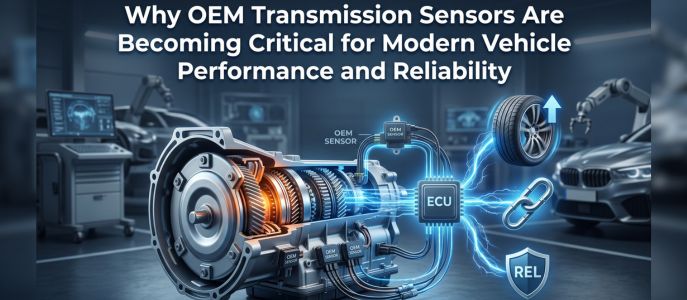
Why OEM Transmission Sensors Are Becoming Critical for Modern Vehicle Performance and Reliability
Modern vehicles are more intelligent than ever, relying on sophisticated electronics to deliver smooth shifting, improved fuel efficiency, and enhanced driving comfort. At the center of these advancements are transmission sensors, which continuously monitor the operation of automatic, CVT, and dual-clutch transmissions. These sensors provide real-time data to the vehicle’s transmission control module, allowing it to make precise adjustments for optimal performance.
As automotive technology continues to evolve in 2026, OEM transmission sensors have become essential for maintaining vehicle reliability and preventing expensive drivetrain failures. When major transmission repairs are required, many drivers also choose used transmissions and professionally inspected used transmissions for sale as cost-effective alternatives to purchasing brand-new units.
Understanding OEM Transmission Sensors
OEM (Original Equipment Manufacturer) transmission sensors are factory-designed components that monitor various transmission functions. Unlike generic aftermarket alternatives, OEM sensors are engineered specifically for each vehicle model, ensuring seamless communication with the vehicle’s electronic systems.
Common transmission sensors include:
- Input speed sensors
- Output speed sensors
- Transmission fluid temperature sensors
- Pressure sensors
- Gear position sensors
- Turbine speed sensors
Each sensor plays a critical role in maintaining smooth and efficient transmission performance.
How Transmission Sensors Improve Performance
Modern automatic transmissions rely heavily on electronic data rather than purely mechanical operation.
Transmission sensors help the control module:
- Determine shift timing
- Monitor transmission speed
- Adjust hydraulic pressure
- Optimize fuel economy
- Reduce drivetrain wear
- Improve overall driving comfort
Without accurate sensor information, even a healthy transmission may experience poor performance.
Supporting Smooth Gear Changes
One of the most noticeable benefits of properly functioning OEM transmission sensors is smooth shifting.
By monitoring input and output shaft speeds, the transmission control module can determine the ideal moment to change gears.
This results in:
- Faster acceleration
- Reduced shift shock
- Better fuel efficiency
- Improved driving comfort
Accurate data ensures that every gear change occurs at the right time.
Preventing Costly Transmission Damage
Faulty sensors can send incorrect information to the transmission control system.
This may cause problems such as:
- Delayed shifting
- Harsh gear engagement
- Transmission slipping
- Incorrect gear selection
- Increased transmission temperatures
Ignoring these symptoms can eventually lead to severe internal transmission damage.
Why OEM Sensors Matter
OEM transmission sensors are designed to meet the exact specifications established by the vehicle manufacturer.
Compared to some aftermarket options, OEM sensors offer:
- Factory-level compatibility
- Reliable communication with onboard electronics
- Consistent performance
- Long service life
These advantages help reduce the risk of diagnostic errors and unnecessary repairs.
Advanced Vehicles Depend on Sensor Accuracy
Today’s vehicles feature increasingly complex transmission systems, including:
- 8-speed automatics
- 10-speed transmissions
- Continuously Variable Transmissions (CVTs)
- Dual-clutch transmissions
- Hybrid powertrains
These advanced systems require highly accurate sensor data to function efficiently.
Even small inaccuracies can affect overall transmission operation.
Early Diagnosis Reduces Repair Costs
Modern diagnostic tools can quickly identify failing transmission sensors before serious mechanical damage occurs.
Early detection allows technicians to replace faulty sensors before they cause:
- Internal clutch wear
- Valve body damage
- Overheating
- Complete transmission failure
Preventive maintenance helps extend transmission life and reduce long-term repair expenses.
When Transmission Replacement Becomes Necessary
In some cases, prolonged operation with faulty sensors may cause extensive internal damage.
When rebuilding is no longer economical, many vehicle owners choose used transmissions as a practical replacement solution.
Professionally inspected OEM transmissions often deliver reliable performance while significantly lowering repair costs.
Benefits of Used Transmissions for Sale
Purchasing used transmissions for sale from reputable suppliers offers several advantages.
These include:
- Lower replacement costs
- OEM factory engineering
- Better compatibility
- Faster availability
- Reliable long-term performance
Many used transmissions come from low-mileage donor vehicles that experienced collision damage rather than drivetrain failure.
Quality Inspections Matter
Trusted transmission suppliers perform detailed inspections before resale.
Typical inspection procedures include:
- Visual examinations
- Fluid condition checks
- Mileage verification
- Operational testing
- Case inspections
These quality-control measures help ensure dependable performance after installation.
Supporting Fleet Reliability
Commercial fleet operators also benefit from dependable OEM transmission components.
Accurate transmission sensors help reduce:
- Unexpected breakdowns
- Maintenance costs
- Vehicle downtime
- Fuel consumption
When major repairs are required, fleets often select used transmissions to keep maintenance budgets under control.
Sustainability Through OEM Recycling
Choosing professionally inspected OEM drivetrain components supports environmentally responsible vehicle repairs.
Reusing transmissions helps:
- Reduce manufacturing demand
- Minimize landfill waste
- Conserve natural resources
- Lower carbon emissions
Automotive recycling continues to play an important role in sustainable transportation.
Choosing a Reliable Supplier
When purchasing replacement transmissions, look for suppliers that provide:
- Warranty coverage
- Verified mileage
- Thorough inspections
- OEM compatibility
- Positive customer reviews
Working with experienced suppliers increases confidence in the quality of replacement components.
The Future of Transmission Technology
Transmission systems will continue becoming more electronically controlled in the coming years.
Future developments are expected to include:
- AI-assisted transmission diagnostics
- Predictive maintenance systems
- Smarter electronic controls
- Enhanced sensor accuracy
- Improved vehicle efficiency
OEM sensors will remain essential for supporting these advanced technologies.
Final Thoughts
OEM transmission sensors have become a critical part of modern vehicle performance, providing the accurate data required for smooth shifting, efficient operation, and long-term drivetrain reliability. As transmissions become more advanced in 2026, maintaining properly functioning sensors is essential for avoiding expensive repairs and ensuring optimal driving performance.
When significant transmission damage does occur, choosing professionally inspected used transmissions from trusted suppliers offering used transmissions for sale provides a cost-effective, reliable solution. Combining quality OEM components with timely diagnostics helps drivers extend vehicle life, reduce repair costs, and enjoy dependable performance for many years to come.