
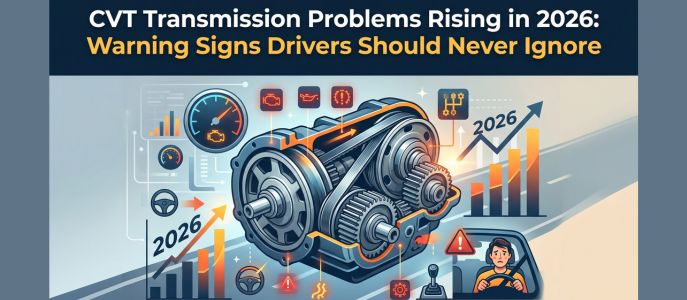
CVT Transmission Problems Rising in 2026: Warning Signs Drivers Should Never Ignore
Continuously Variable Transmissions (CVTs) have become extremely common in modern vehicles because they improve fuel efficiency and deliver smoother driving performance. But in 2026, more drivers are reporting expensive CVT-related problems than ever before.
From delayed acceleration and overheating to strange noises and complete transmission failure, CVT issues can quickly turn into costly repairs if ignored. As replacement prices continue rising, many drivers are now exploring used transmissions and searching for quality used transmissions to reduce repair expenses.
This guide explains why CVT problems are increasing in 2026, the warning signs drivers should never ignore, and how to avoid major transmission damage.
What Is a CVT Transmission?
Unlike traditional automatic transmissions that use fixed gears, a CVT operates using:
- Pulleys
- Belts or chains
- Variable gear ratios
This design allows:
- Smoother acceleration
- Better fuel economy
- Lower engine RPM
Many modern sedans, hybrids, SUVs, and compact vehicles now use CVTs.
Why CVT Problems Are Increasing in 2026
Several factors are contributing to rising CVT failures.
Common Reasons Include:
- Higher vehicle mileage
- Increased heat stress
- Heavy traffic conditions
- Poor maintenance habits
- Rising use of turbocharged engines
- Delayed fluid changes
Modern driving demands place significant stress on CVT systems.
Heat Is One of the Biggest CVT Enemies
CVTs generate considerable heat during operation.
High Temperatures Can Cause:
- Fluid breakdown
- Belt wear
- Pulley damage
- Internal slipping
- Overheating warnings
Summer driving conditions in 2026 are making transmission overheating more common.
Warning Sign #1: Delayed Acceleration
One of the earliest symptoms of CVT trouble is delayed response when pressing the accelerator.
Drivers May Notice:
- Slow takeoff
- RPM rising without speed increase
- Hesitation during acceleration
This may indicate:
- Belt slipping
- Fluid issues
- Internal wear
Warning Sign #2: Jerking or Shuddering
A healthy CVT should feel smooth.
If You Feel:
- Jerking
- Shaking
- Vibrations during acceleration
The transmission may have:
- Pulley wear
- Damaged internal components
- Contaminated fluid
Warning Sign #3: Transmission Overheating
Many modern vehicles now display transmission temperature warnings.
Symptoms Include:
- Burning smell
- Dashboard alerts
- Reduced power mode
- Sudden performance loss
Ignoring overheating can destroy a CVT quickly.
Warning Sign #4: Whining or Humming Noises
Unusual sounds are often early signs of transmission wear.
Listen For:
- High-pitched whining
- Humming noises
- Grinding sounds
These noises may indicate:
- Bearing failure
- Belt damage
- Internal component wear
Warning Sign #5: RPM Fluctuations
A failing CVT may struggle to maintain smooth engine speed.
Drivers Often Notice:
- RPM jumping unexpectedly
- Engine revving inconsistently
- Poor highway performance
This usually signals internal transmission problems.
Warning Sign #6: Slipping While Driving
Transmission slipping is one of the most serious symptoms.
Common Signs:
- Vehicle loses power suddenly
- Delayed gear engagement
- Engine revs but speed drops
Slipping often worsens rapidly if ignored.
Why CVT Repairs Are So Expensive in 2026
Modern CVTs are highly specialized systems.
Repairs Often Require:
- Specialized tools
- Advanced diagnostics
- Complete transmission replacement
In many cases, repairing individual internal parts is difficult or impractical.
Why Drivers Are Choosing Used Transmissions
New CVT replacements can cost thousands of dollars. To reduce expenses, many vehicle owners now choose:
- Used transmissions
- Remanufactured units
- Salvage OEM replacements
Benefits of Quality Used Transmissions
Choosing quality used transmissions offers several advantages.
- Lower Replacement Cost: Used units are often far cheaper than brand-new transmissions.
- Faster Availability: New transmissions may have long wait times.
- OEM Compatibility: Used transmissions often come directly from compatible factory vehicles.
- Better Value for Older Cars: Installing a new transmission in an older vehicle may not make financial sense.
What to Check Before Buying a Used CVT
Not all used transmissions are reliable.
Smart Buyers Verify:
- Mileage history
- Warranty coverage
- Fluid condition
- VIN compatibility
- Inspection reports
Always buy from reputable suppliers.
Importance of CVT Fluid Maintenance
Unlike older automatic transmissions, CVTs require:
- Specific fluid types
- Proper fluid intervals
Using incorrect fluid can cause severe damage.
How Often Should CVT Fluid Be Changed?
Many experts now recommend:
- Every 30,000-60,000 miles
Especially under:
- Hot weather
- Heavy traffic
- Frequent highway driving
Regular fluid service greatly extends CVT lifespan.
Driving Habits That Damage CVTs Faster
Certain behaviors increase transmission wear.
Avoid:
- Aggressive acceleration
- Heavy towing
- Sudden speed changes
- Ignoring overheating warnings
Smooth driving helps CVTs last longer.
Why CVT Failures Are More Noticeable in 2026
Modern vehicles now remain on the road longer. As mileage increases:
- Older CVTs begin wearing out
- Repair demand rises
- Replacement costs climb
This has increased demand for affordable transmission solutions.
Common Mistakes Drivers Make
Avoid these costly errors:
- Ignoring small symptoms
- Delaying fluid service
- Continuing to drive overheating vehicles
- Using incorrect transmission fluid
- Buying low-quality replacement units
Pro Tips to Extend CVT Life
- Change Fluid on Schedule: Fresh fluid prevents overheating and internal wear.
- Avoid Hard Acceleration: Gentle driving reduces belt stress.
- Monitor Transmission Temperature: Heat is the biggest long-term threat.
- Use Quality Used Transmissions If Replacement Is Needed: Reliable OEM replacements often provide excellent value.
Signs You May Need Transmission Replacement
Consider inspection immediately if you notice:
- Severe slipping
- Persistent overheating
- Loud whining noises
- Metal debris in fluid
- Complete loss of movement
Early diagnosis can sometimes prevent total failure.
Why Used Transmission Demand Is Growing
With repair costs rising rapidly, many drivers now prefer:
- Affordable repairs
- OEM salvage components
- Faster replacement options
Demand for reliable used transmissions continues growing throughout 2026.
Final Thoughts
CVT transmission problems are becoming more common in 2026 due to higher mileage vehicles, increased heat, heavy traffic conditions, and rising repair complexity. Ignoring early warning signs can quickly lead to expensive transmission failure.
By recognizing symptoms early, maintaining proper fluid service, and considering reliable quality used transmissions when replacement becomes necessary, drivers can avoid massive repair bills and keep their vehicles running smoothly.
As transmission technology becomes more advanced, preventive maintenance and smart replacement choices are more important than ever.