
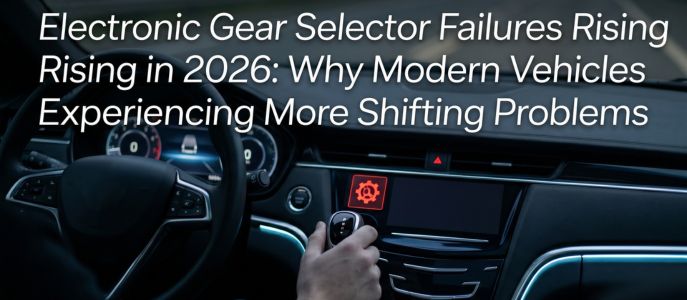
Electronic Gear Selector Failures Rising in 2026: Why Modern Vehicles Are Experiencing More Shifting Problems
Modern vehicles in 2026 are becoming increasingly advanced, with electronic systems controlling everything from braking and steering to transmission performance. One major technology now found in many cars, SUVs, and hybrid vehicles is the electronic gear selector system. While these systems improve cabin design and driving convenience, they are also creating a growing number of shifting-related problems for drivers.
Many vehicle owners now report issues such as:
- Delayed gear engagement
- Transmission warning lights
- Vehicle stuck in park
- Random shifting problems
- Gear selector malfunctions
- Electronic transmission errors
As repair costs continue rising, many drivers are turning to used transmissions and searching for reliable used transmissions for sale to reduce replacement expenses.
This guide explains why electronic gear selector failures are increasing in 2026, the most common warning signs, and how drivers can avoid expensive transmission damage.
What Is an Electronic Gear Selector?
Traditional vehicles used mechanical linkage systems that physically connected the gear shifter to the transmission.
Modern vehicles now increasingly use:
- Electronic shift-by-wire systems
- Digital gear selectors
- Push-button shifters
- Rotary dial selectors
- Electronic transmission modules
These systems send electronic signals instead of mechanical movement to change gears.
Why Manufacturers Use Electronic Gear Selectors
Automakers prefer electronic shifting systems because they:
- Save cabin space
- Improve interior design
- Reduce mechanical components
- Support autonomous driving features
- Improve fuel efficiency
- Integrate better with AI driving systems
Electronic systems also work more efficiently with:
- Hybrid drivetrains
- EV platforms
- Advanced safety systems
However, increasing complexity also increases failure risk.
Why Gear Selector Failures Are Increasing in 2026
Modern transmissions now depend heavily on:
- Sensors
- Software
- Electrical wiring
- Control modules
- Communication networks
Even small electronic problems can prevent proper shifting. Common causes include:
- Sensor failures
- Software glitches
- Wiring damage
- Module overheating
- Battery voltage irregularities
- Moisture intrusion
As vehicles become more computerized, transmission reliability becomes more dependent on electronics.
Common Symptoms of Gear Selector Problems
Drivers frequently experience:
- Vehicle refusing to shift gears
- Delayed gear engagement
- Dashboard transmission warnings
- Gear selector flashing
- Car stuck in neutral or park
- Rough shifting behavior
- Random transmission limp mode
These symptoms often appear before complete transmission failure.
Why Electronic Systems Are More Sensitive
Traditional mechanical shifters were simpler and often easier to repair. Electronic systems depend on:
- Continuous electrical communication
- Software calibration
- Sensor accuracy
- Stable voltage supply
Minor electrical issues can disrupt the entire shifting system.
How Heat Affects Electronic Transmissions
Modern vehicles generate significant heat from:
- Turbocharged engines
- Hybrid systems
- High-performance driving
- Heavy traffic conditions
Excessive heat can damage:
- Shift modules
- Wiring connectors
- Transmission sensors
- Control units
Overheating is becoming one of the biggest causes of shifting problems in 2026.
Why Hybrid Vehicles Face More Shifting Issues
Hybrid vehicles combine:
- Electric motors
- Gasoline engines
- Electronic control systems
- Regenerative braking
This creates more complex transmission communication networks.
Hybrid systems often experience:
- Gear synchronization problems
- Electronic shifting delays
- Software conflicts
- Power management errors
As hybrid sales increase, electronic gear selector failures are becoming more common.
Warning Signs Drivers Should Never Ignore
Early detection is extremely important.
Major Warning Signs Include:
- Delayed shifting
- Jerking during acceleration
- Burning smells
- Flashing transmission lights
- Sudden loss of power
- Vehicle stuck in one gear
Ignoring these symptoms can lead to:
- Complete transmission failure
- Expensive repairs
- Unsafe driving conditions
Why Transmission Repairs Are Becoming More Expensive
Why Transmission Repairs Are Becoming More Expensive
- Advanced electronics
- AI-assisted controls
- Precision sensors
- Complex hydraulic systems
Repair costs continue increasing because:
- Diagnostic procedures are more difficult
- Replacement modules are expensive
- Labor costs are higher
- Software programming is required
This is why many drivers now search for:
- Used transmissions
- Affordable replacement options
- Certified transmission assemblies
to reduce overall repair expenses.
Benefits of Used Transmissions for Sale
Many vehicle owners choose used transmissions for sale because they offer:
- Lower replacement costs
- OEM compatibility
- Faster repair turnaround
- Better affordability than new units
High-quality used transmissions are often sourced from:
- Low-mileage salvage vehicles
- Insurance auctions
- Reputable auto recyclers
When properly tested, they can provide reliable long-term performance.
Importance of Transmission Inspections
Before purchasing replacement transmissions, drivers should verify:
- Mileage history
- Fluid condition
- Warranty availability
- Compatibility
- Damage inspection reports
Choosing reliable used components reduces future repair risks significantly.
Software Problems Are Becoming More Common
Modern transmissions rely heavily on software updates. Outdated or corrupted software may cause:
- Shift timing problems
- Gear engagement delays
- Transmission communication errors
- Incorrect sensor readings
Manufacturers now release firmware updates more frequently to address transmission-related bugs.
Why AI-Controlled Vehicles Increase Complexity
AI-assisted driving systems now influence:
- Gear selection
- Torque distribution
- Fuel efficiency
- Driving behavior optimization
While these systems improve performance, they also add more electronic complexity to transmission operation.
Importance of Routine Transmission Maintenance
Regular maintenance remains critical for transmission reliability. Drivers should:
- Replace transmission fluid regularly
- Monitor warning lights
- Inspect for leaks
- Address overheating issues early
- Avoid aggressive driving habits
Preventive care helps reduce electronic and mechanical wear.
Common Driver Mistakes
Many drivers accidentally increase transmission wear by:
- Ignoring warning lights
- Delaying fluid changes
- Towing beyond capacity
- Driving aggressively
- Continuing to drive with shifting problems
Small issues can quickly become major transmission failures.
Why Electronic Failures Are Harder to Diagnose
Unlike older mechanical systems, electronic shifting problems often involve:
- Multiple control modules
- Software communication
- Sensor synchronization
- Electrical diagnostics
Repair shops now require advanced scanning equipment and specialized software knowledge.
Future of Transmission Technology
Future vehicles are expected to use:
- AI-managed shifting systems
- Predictive transmission diagnostics
- Fully electronic drivetrains
- Self-learning transmission software
- Cloud-based vehicle monitoring
Transmission systems will continue becoming smarter but also more electronically dependent.
When to Replace Instead of Repair
Drivers should consider replacement if:
- Repair costs exceed transmission value
- Internal damage is severe
- Electronic modules repeatedly fail
- Vehicle experiences chronic shifting issues
In many cases, high-quality used transmissions provide a more affordable long-term solution.
Final Thoughts
Electronic gear selector failures are becoming increasingly common in 2026 as vehicles rely more heavily on advanced transmission electronics, software systems, and AI-assisted driving technology.
Problems such as delayed shifting, gear selector malfunctions, and transmission warning errors are often linked to sensor failures, overheating, software glitches, or electrical communication problems.
As repair costs continue rising, many drivers are choosing reliable used transmissions and searching for tested used transmissions for sale to restore vehicle performance at a lower cost.
With proper maintenance, early diagnostics, and quality replacement components, drivers can significantly reduce the risk of major transmission failures and keep modern vehicles operating smoothly for years to come.