
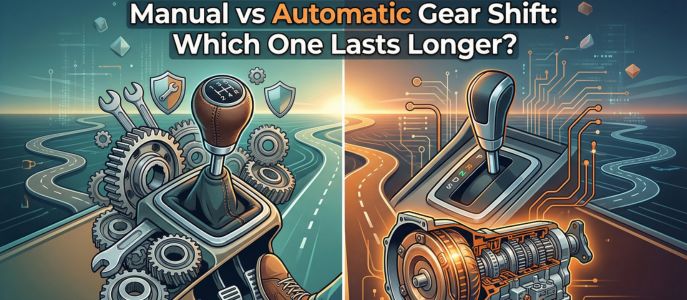
Manual vs Automatic Gear Shift: Which One Lasts Longer?
When choosing a car, one of the biggest decisions is whether to go for a manual or automatic transmission. While both have their advantages, many drivers often wonder: which one lasts longer?
In this guide, we’ll compare manual and automatic gear systems in terms of durability, maintenance, and long-term costs. We’ll also explain when you might need a replacement like a used transmission or consider buying used transmissions with warranty for better value.
Understanding Manual and Automatic Transmissions
Manual Transmission
A manual gearbox requires the driver to shift gears using a clutch pedal and gear lever.
Automatic Transmission
An automatic system shifts gears on its own without driver input, offering a smoother driving experience.
Which Transmission Lasts Longer?
Manual Transmission Lifespan
Manual transmissions generally last longer than automatic ones.
Why?
- Simpler mechanical design
- Less heat generation
- Lower risk of internal damage
A well-maintained manual gearbox can last over 200,000 miles.
Automatic Transmission Lifespan
Automatic transmissions are more complex and may wear out faster.
Factors:
- More moving parts
- Heat buildup
- Dependence on transmission fluid
However, modern automatics have improved significantly and can last just as long with proper care.
Key Factors That Affect Transmission Life
Driving Habits
- Aggressive driving reduces lifespan
- Smooth shifting extends durability
Maintenance
- Regular fluid changes are essential
- Ignoring maintenance leads to damage
Heat and Load
- Towing or heavy loads increase wear
- Overheating damages internal components
Cost of Repair and Replacement
Manual Transmission Costs
- Cheaper to repair
- Clutch replacement is common
- Lower labor costs
Automatic Transmission Costs
- Expensive repairs
- Complex internal components
- Higher labor charges
If replacement is needed, many drivers opt for a used transmission to save money.
Why Consider Used Transmissions with Warranty?
Buying used transmissions with warranty can be a smart choice.
Benefits:
- Lower cost than new units
- Tested and inspected parts
- Warranty protection for peace of mind
This option is ideal for those looking to extend their vehicle’s life without overspending.
Signs Your Transmission Is Failing
Common Symptoms:
- Slipping gears
- Delayed shifting
- Grinding or unusual noises
- Burning smell
- Fluid leaks
Ignoring these signs can lead to complete transmission failure.
Maintenance Tips for Longer Lifespan
For Manual Transmissions:
- Avoid riding the clutch
- Shift smoothly
- Replace clutch when worn
For Automatic Transmissions:
- Change transmission fluid regularly
- Avoid overheating
- Use proper driving modes
Pros and Cons Comparison
| Feature | Manual | Automatic |
|---|---|---|
| Lifespan | Longer | Moderate |
| Maintenance Cost | Lower | Higher |
| Driving Ease | Harder | Easier |
| Repair Cost | Cheaper | Expensive |
Which One Should You Choose?
Choose Manual If:
- You want longer lifespan
- Prefer lower maintenance costs
- Enjoy driving control
Choose Automatic If:
- You want convenience
- Drive in heavy traffic
- Prefer smoother driving experience
When to Replace Your Transmission
If your transmission is beyond repair:
- Consider a used transmission for affordability
- Look for used transmissions with warranty to ensure reliability
This can save thousands compared to buying a new unit.
Final Thoughts
Both manual and automatic transmissions can last a long time if properly maintained. While manual gearboxes generally have a longer lifespan, modern automatic transmissions have become more durable and efficient.
The key to longevity lies in maintenance, driving habits, and timely repairs. And if replacement becomes necessary, choosing a used transmission or investing in used transmissions with warranty can be a cost-effective solution.
Ultimately, the best choice depends on your driving needs, budget, and personal preference.