Engine Compatibility Checker – Verify the Right Engine Before You Buy
Replacing an engine is a major investment. Whether you’re a vehicle owner, mechanic, dealership, or repair facility, choosing the wrong engine can lead to installation problems, performance issues, and expensive returns. That’s why our Engine Compatibility Checker is designed to eliminate uncertainty and ensure precise fitment for vehicles across the United States.
Modern vehicles are more complex than ever. Engines are integrated with electronic control systems, emissions components, transmission modules, and vehicle-specific programming. Even two vehicles of the same make and model year may use different engine variants. Our Engine Compatibility Checker helps confirm that the engine you select is fully compatible with your vehicle’s specifications.
Why Engine Compatibility Is Critical
In the past, engine replacement was mostly about matching size and basic configuration. Today, compatibility goes far beyond that. U.S. vehicles rely on sophisticated electronics, emission standards, and drivetrain configurations that must align perfectly.
A mismatch can lead to:
- Electrical system conflicts
- ECU programming errors
- Sensor miscommunication
- Transmission shifting issues
- Failed emissions inspections
The cost of installing the wrong engine includes labor fees, shipping expenses, downtime, and potential warranty disputes. Proper verification before purchase prevents these problems.
What Our Engine Compatibility Checker Verifies
Our system is designed to cross-reference manufacturer data and confirm multiple layers of compatibility.
1. Engine Code Match
Every engine has a specific engine code assigned by the manufacturer. This code identifies internal components, performance tuning, and design specifications.
Even engines with identical displacement (for example, 2.0L or 3.5L) can have different engine codes. Those differences may affect:
- Compression ratio
- Fuel injection systems
- Turbocharging configuration
- Internal sensors
- Software calibration
Matching the correct engine code ensures mechanical and electronic alignment.
2. Mounting Alignment
Engine mounts vary between:
- Trim levels
- Drive configurations (2WD vs 4WD)
- Hybrid vs gasoline models
- Performance vs standard editions
Our compatibility checker verifies that the mounting points align correctly with your vehicle’s frame and subframe structure. This prevents installation complications and ensures proper engine positioning.
3. ECU Compatibility
The Engine Control Unit (ECU) manages fuel injection, ignition timing, emission controls, and other vital systems. If the replacement engine is not compatible with the existing ECU programming, the vehicle may not start or may run poorly.
Our system evaluates:
- ECU communication protocols
- Software calibration compatibility
- Fuel mapping alignment
- Sensor data integration
This step is especially important for U.S. vehicles subject to federal and state emissions regulations.
4. Sensor Compatibility
Modern engines rely on numerous sensors, including:
- Oxygen sensors
- Mass airflow sensors
- Camshaft position sensors
- Crankshaft position sensors
- Knock sensors
Sensor placement and configuration can vary between engine variants. Our checker confirms that sensor connections and electronic interfaces match your vehicle’s system.
5. Emission Standard Compliance
Vehicles sold in the United States must meet strict emission requirements. Some states, such as California, follow enhanced emission regulations.
Our compatibility checker verifies:
- Federal emissions alignment
- State-specific compliance where applicable
- Catalytic converter compatibility
- Exhaust system configuration
Using a non-compliant engine could result in inspection failure or legal complications.
How the Engine Compatibility Checker Works
Our system is built for simplicity while using detailed manufacturer data behind the scenes.
Step 1: Enter Vehicle Information
Provide the following details:
- Vehicle Make
- Model
- Year
- Engine Size
These basic details allow the system to narrow down potential matches.
Step 2: Add VIN (Optional but Recommended)
While VIN entry is optional, it is strongly recommended for maximum accuracy. The 17-digit Vehicle Identification Number provides:
- Production plant data
- Exact trim level
- Original engine configuration
- Transmission pairing
- Drivetrain details
VIN verification significantly increases precision and reduces risk.
Step 3: Database Cross-Reference
Once submitted, our system cross-references manufacturer specifications to confirm compatibility. It analyzes:
- Engine code alignment
- Mechanical mounting compatibility
- Electrical integration
- Transmission pairing
- Emission compliance
The result is a clear confirmation of whether the selected engine fits your vehicle.
Why Compatibility Matters More Than Ever
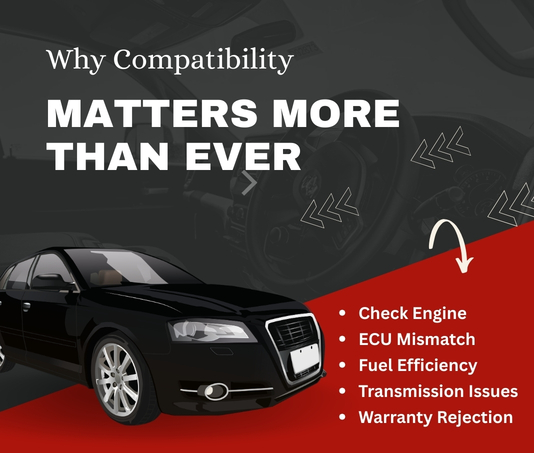
Modern U.S. vehicles are interconnected systems. An incorrect engine may cause:
- Check Engine Light Activation: Improper sensor or ECU communication can trigger persistent warning lights.
- ECU Mismatch: Programming conflicts can prevent the vehicle from starting or running smoothly.
- Poor Fuel Efficiency: Incorrect fuel mapping may reduce MPG and performance.
- Transmission Issues: Engine and transmission systems are calibrated to work together. A mismatch may cause shifting problems.
- Warranty Rejection: Installing an incompatible engine can void supplier or manufacturer warranty coverage.
Proper compatibility verification protects both your investment and your vehicle.
Common Mistakes When Ordering an Engine
Many buyers rely only on:
- Engine displacement
- Visual similarity
- Basic make and model information
However, these factors alone are not enough. Overlooking differences such as turbo vs non-turbo variants, flex-fuel compatibility, or drivetrain configuration can lead to serious installation issues.
Our Engine Compatibility Checker prevents these common ordering errors.
Best Practices Before Purchasing an Engine
To ensure maximum accuracy, always follow these best practices:
- Provide Your VIN: The VIN offers the highest level of identification precision. It removes uncertainty caused by mid-year production changes or trim variations.
Confirm Engine Code
Verify the engine code stamped on your existing engine or listed in vehicle documentation. Matching this code ensures internal configuration alignment.
Verify Transmission Type
Confirm whether your vehicle uses:
- Automatic transmission
- Manual transmission
- CVT
- AWD, FWD, RWD, or 4WD
Transmission pairing plays a crucial role in compatibility.
Confirm 2WD vs 4WD
Drivetrain configuration affects mounting systems, oil pans, and component clearance. Always verify this detail before finalizing your purchase.
Who Should Use the Engine Compatibility Checker?
This tool is ideal for:
- Individual vehicle owners
- Automotive repair shops
- Independent mechanics
- Dealership service departments
- Fleet operators
- Auto recyclers
Whether you are replacing a failed engine or upgrading a high-mileage vehicle, compatibility verification reduces risk and improves confidence.
Protect Your Investment
Engine replacement is not a minor repair – it is one of the most significant mechanical decisions a vehicle owner can make. Taking a few minutes to verify compatibility can save:
- Installation time
- Labor costs
- Shipping expenses
- Downtime
- Warranty complications
Our Engine Compatibility Checker is designed to provide clarity before you commit to a purchase.
Accuracy You Can Rely On
Our system is built using manufacturer-based data specific to vehicles sold in the United States. It accounts for:
- Federal compliance standards
- Production variations
- Trim-level differences
- Engine family distinctions
This ensures that the engine you select aligns with your vehicle’s original factory configuration.
Check Before You Order
Before purchasing your replacement engine, take the responsible step:
- Enter your vehicle details
- Add your VIN for maximum accuracy
- Verify compatibility
- Proceed with confidence
Avoid costly mistakes and installation headaches. Use our Engine Compatibility Checker today and ensure your replacement engine is the right fit the first time.